



When people hear the word transformation, they often think about new technologies, AI, or modernized systems. But a recent GovLoop discussion on transformation in state and local government revealed a broader reality: true transformation is about improving how agencies serve residents while helping employees work more effectively.
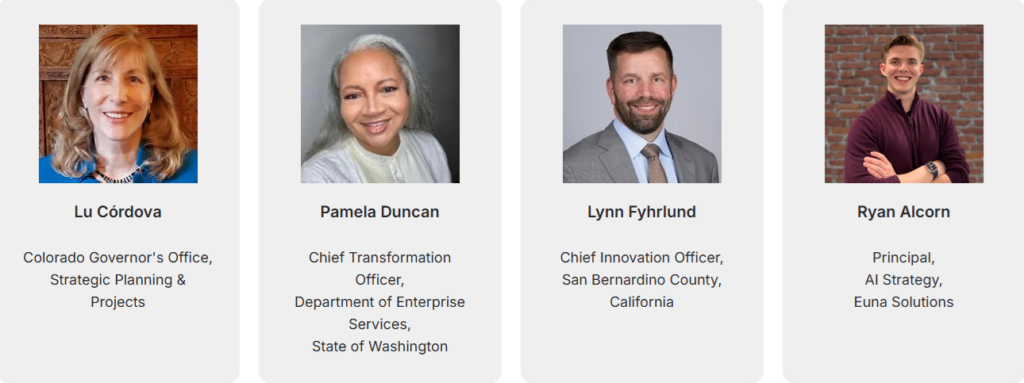
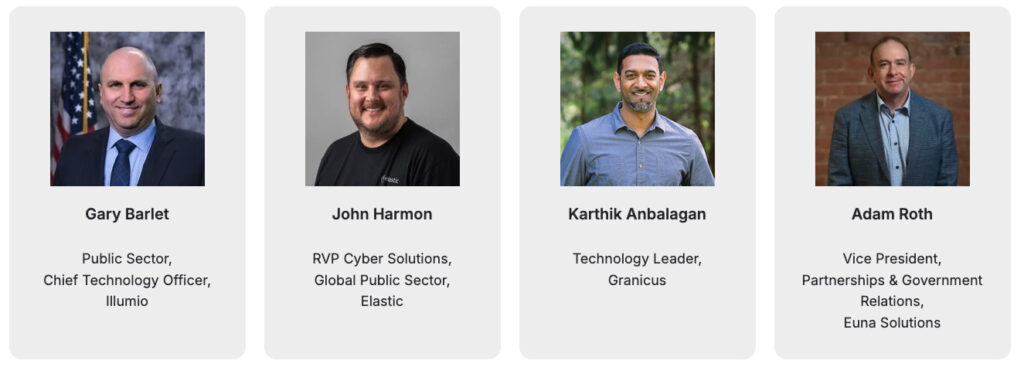
Across the conversation on July 29, the following government and industry thought leaders shared practical lessons on overcoming common barriers and finding smarter ways to deliver services with limited resources.



Transformation Starts with People
One of the clearest takeaways was that technology alone doesn’t create transformation.
Meaningful change begins with culture. Whether it’s shifting from an enforcement mindset to a customer-service mindset or helping employees understand the purpose behind a new initiative, successful transformation requires people to be engaged and invested.
Agencies that bring employees into the process early, listen to concerns, and clearly communicate the benefits of change are more likely to build lasting momentum.
The Biggest Barriers to Progress
While agencies are eager to modernize, several challenges continue to stand in the way.
Budget Constraints
Limited funding remains a persistent hurdle. Transformation often requires investment upfront, making it difficult to balance immediate operational needs with long-term improvements. As a result, agencies are increasingly focused on projects that deliver the greatest impact for the least cost.
Workforce Challenges
Recruiting and retaining skilled employees, particularly in technology-focused roles, continues to be difficult. At the same time, many organizations are managing change fatigue as employees adapt to new priorities and ways of working.
Legacy Systems and Silos
Many government organizations still rely on aging systems that are difficult to replace. Combined with siloed departments and competing priorities, these legacy environments can slow innovation and make collaboration more challenging.
Practical Ways Agencies Are Improving Efficiency
Despite these obstacles, agencies are making measurable progress by focusing on practical solutions rather than massive overhauls.
Look for Quick Wins
Small changes can create meaningful results. Several speakers highlighted the value of identifying improvements that are low-cost, easy to implement, and highly visible. Early successes help demonstrate value and build support for larger initiatives.
Balance Consistency with Flexibility
One successful approach is centralizing common functions such as cybersecurity, data management, and technology standards while allowing individual agencies to maintain ownership of the services they deliver. This creates consistency without losing sight of resident needs.
Focus on the Problem First
Whether discussing AI, cybersecurity, grants management, or public safety, speakers repeatedly stressed the importance of starting with the business problem, not the technology. Agencies that clearly define desired outcomes before selecting tools are more likely to achieve meaningful results.
Looking Ahead
The overarching message from the event was simple: transformation is not about implementing the newest technology. It’s about delivering better outcomes for residents and creating more efficient, responsive government services.
The agencies making the most progress are focusing on culture, collaboration, and practical improvements that help employees serve the public more effectively. Technology remains an important enabler, but people, processes, and purpose continue to drive the most successful transformation efforts.
Want to learn more? Watch the session in its entirety below.