
Artificial intelligence is evolving. For years, organizations have used AI for IT Operations (AIOps) to help monitor systems, identify issues and recommend solutions. Now, a new approach is emerging: agentic AI, which moves beyond analysis and into action, helping organizations not only understand problems, but also resolve them.
From Insight to Action
AIOps was designed to help IT teams manage growing volumes of data. It gathers information from across the environment, detects anomalies and provides recommendations for human operators. In other words, AIOps acts as an intelligent advisor.
Agentic AI builds on those capabilities. Rather than simply identifying an issue, it can investigate the root cause, develop a plan and carry out approved actions to resolve the problem. For example, if an application slows down, an agentic AI system can analyze recent changes, determine what caused the issue and initiate the appropriate fix.
Additionally, it’s important to know that agentic AI does not replace AIOps. AIOps provides the data, monitoring and context, while agentic AI uses that information to reason through a solution and act on it. AIOps then helps verify that the fix worked and supplies feedback that allows the system to improve over time.

Humans Still Have a Critical Role
The rise of agentic AI also doesn’t mean people are out of the equation. Instead, it changes how they contribute. With AIOps, humans remain the executors, while AI acts as the analyst. With agentic AI, the technology becomes the executor, allowing employees to focus on governance, strategy and innovation.
Human oversight remains essential, as they must implement the guardrails, approvals and governance policies needed to ensure AI systems operate safely and within their authorized boundaries.
Why Public Service Organizations Should Care
Government agencies and public sector organizations are under increasing pressure to deliver reliable digital services while managing complex technology environments. Agentic AI has the potential to help by automating routine operational tasks and accelerating problem resolution.
We’ve put together a playbook that highlights how agentic AI can reduce the time required to detect, investigate and repair issues. It can also identify security risks such as configuration drift, missing patches and compliance concerns, then respond through approved automation workflows.
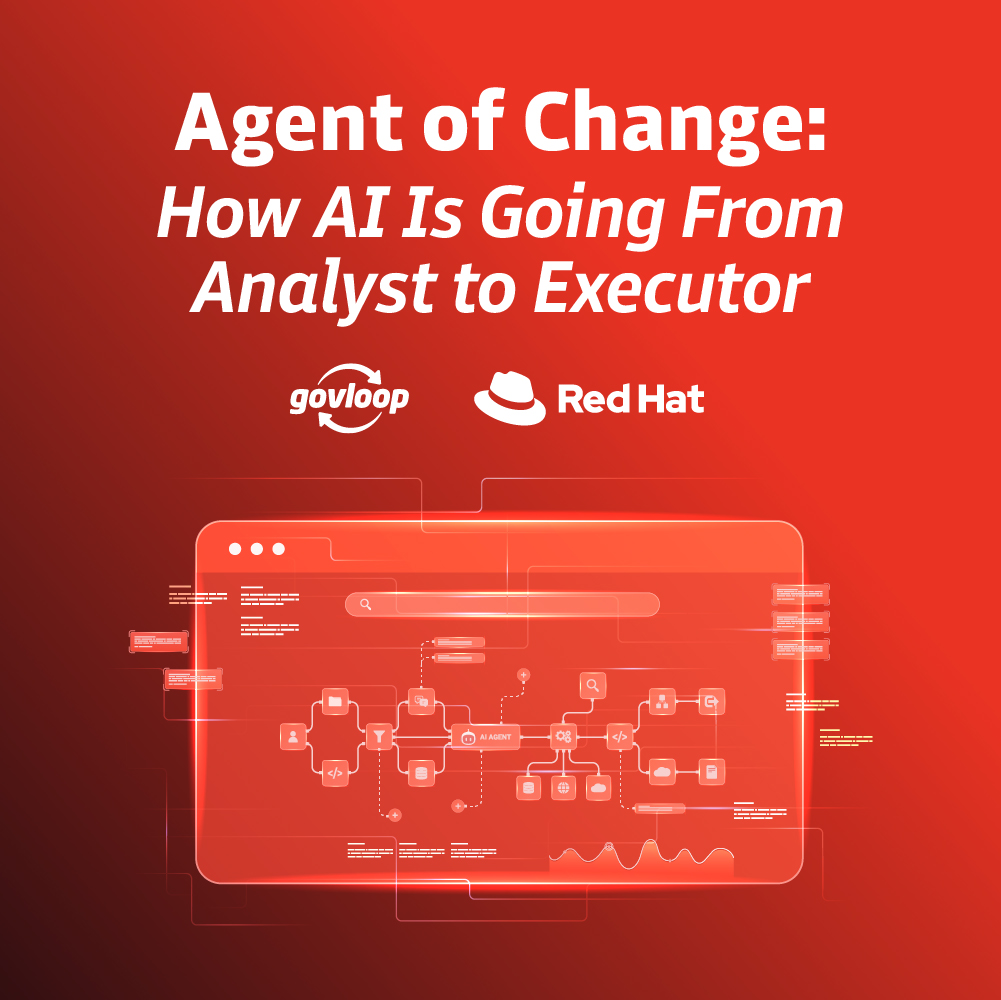
Want to learn more? Download our new report, Agent of Change: How AI Is Going From Analyst to Executor, which includes expert interviews, use cases, and implementation advice.
Brought to you by: