
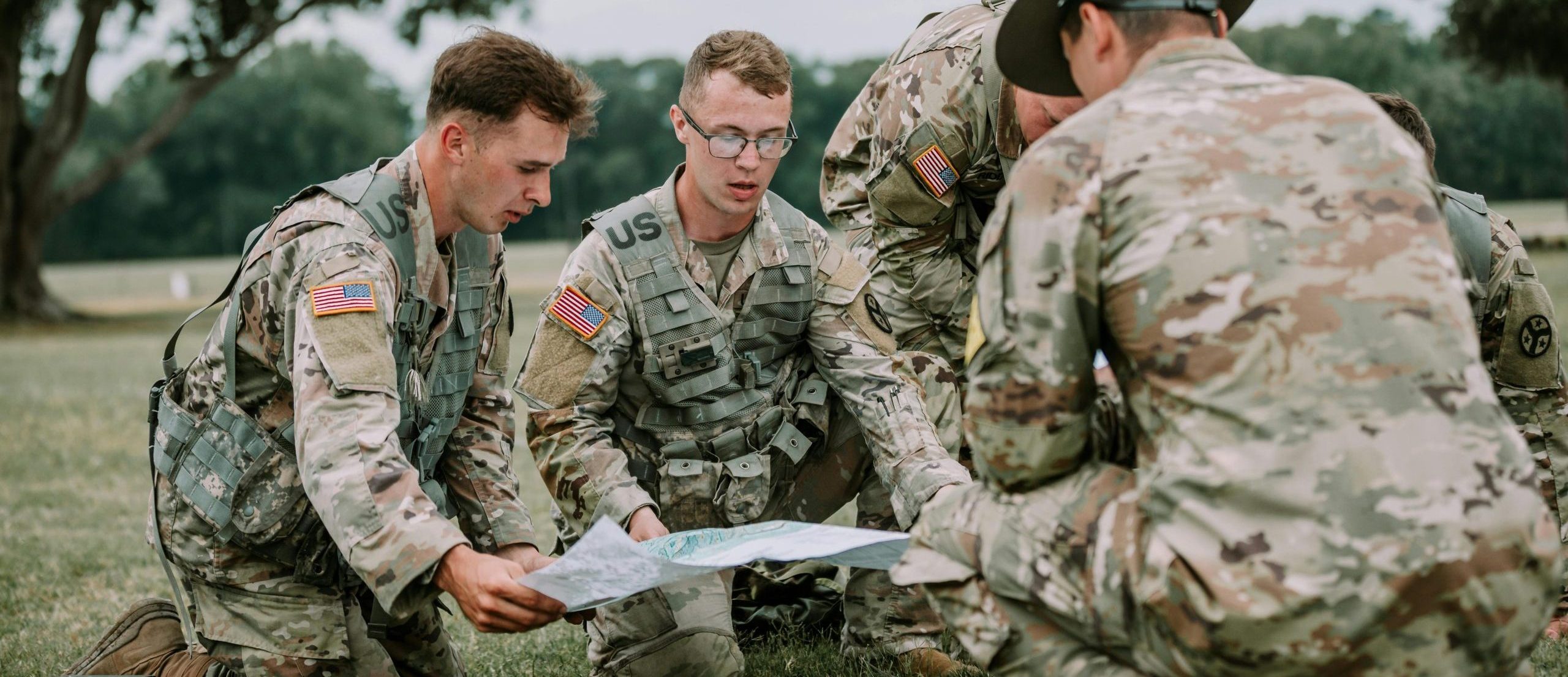

“What’s all the fuzz about data anyway?,” a senior military leader asked me with genuine amusement. They could not understand why it takes days, sometimes weeks or months, to collect and analyze information. On the battlefield, decisions happen in seconds. There is no time to gather data. Fair question!

Military leaders often make choices that determine life or death, literally, at a speed that data cycles can’t match. I attempted to explain why in some circumstances collecting data could take months and even years. But I am not convinced it landed. And honestly, they had a point. Many leaders spend months researching data only to reach the same conclusion they would have reached on Day One.
Data-Driven Leadership in Real Time
Leaders are facing more pressure than ever to move faster, which means they need data that works at the speed of mission. The goal is not to drown in spreadsheets. The goal is to build systems that let leaders move quickly without flying blind. Here are a few practical habits that equip leaders with the right data while keeping momentum high.
- Ask sharper questions. Many delays come from unclear requests. A vague request (“tell me about X”) guarantees a vague, slow, and useless result. When leaders define the specific decision they’re trying to make, analysts know exactly what to look for and what to ignore. That clarity reduces rework and shortens the time it takes to get something usable.
- Start with the question, not the data. Too often leaders gather data first and look for problems later. That approach leads to wasted time and analysis paralysis. Leaders should identify which question they are trying to answer before opening a single spreadsheet. Once the specific choice is clear, the data needed becomes obvious and the data not needed gets filtered out.
- Embrace the 80% Rule. Leaders often want 100% certainty because they bear 100% of the risk. Expecting less-than-perfect certainty is unrealistic when the blame rests entirely on their shoulders. Creating conditions where reasonable mistakes are normalized and not punished will enable faster decisions. When leaders know the system shares the burden of risk, they can act faster with the best evidence available.
Data-driven leadership brings battlefield decisiveness to the noise of management decisions. When information moves at the pace of the mission, leaders decide with confidence instead of waiting for perfect certainty that never comes. The goal is simple: make faster decisions backed by the best evidence available.
Adeline (Addy) Maissonet is a senior advisor on contracting policies and procedures within the Office of the Secretary of War, U.S. Department of War (DoW) and the agency’s representative on the Department’s views on proposed legislation to Congressional members, their staff, and committee staffers. She leads the development and implementation of Department-wide procurement policies for commodities and services, within her portfolio. Prior to her current role, Addy served as a Division Chief and Contracting Officer with unlimited warrant authority for the U.S. Army Mission and Installation Contracting Command (MICC) – Fort Eustis, Virginia. Prior to joining the MICC, Addy served as a Branch Head for the Mid-Atlantic Regional Maintenance Center (MARMC), Norfolk, Virginia, with unlimited warrant authority. She also held other procurement positions with the U.S. Navy. Addy holds an MBA in Management and Contracting Level III Certification under the Defense Acquisition Workforce Improvement Act. She is a graduate from Cornell University’s Executive Leadership Certificate Program and Harvard University’s Business Analytics Certificate Program. In her free time, Addy enjoys hiking and overlanding with her family and friends.
Note: The views and opinions expressed in this article are those of the author and do not necessarily reflect the official policy or position of the Department of War.



Leave a Reply
You must be logged in to post a comment.