

Introduction
For years, resilience has been the mantra of government agencies. Prepare, withstand, recover, repeat. Yet the reality of climate shocks, cyberattacks and infrastructure failures has shown that resilience, while necessary, is no longer enough. Agencies that only “bounce back” after crises return to the same fragile state they were in before. The global trend that forward-leaning governments are now embracing is something more ambitious: regeneration. Regenerative governance goes beyond restoring the status quo. It builds systems that come back stronger, smarter, and more adaptable, creating lasting value instead of temporary fixes.
Why Resilience Isn’t Enough Anymore

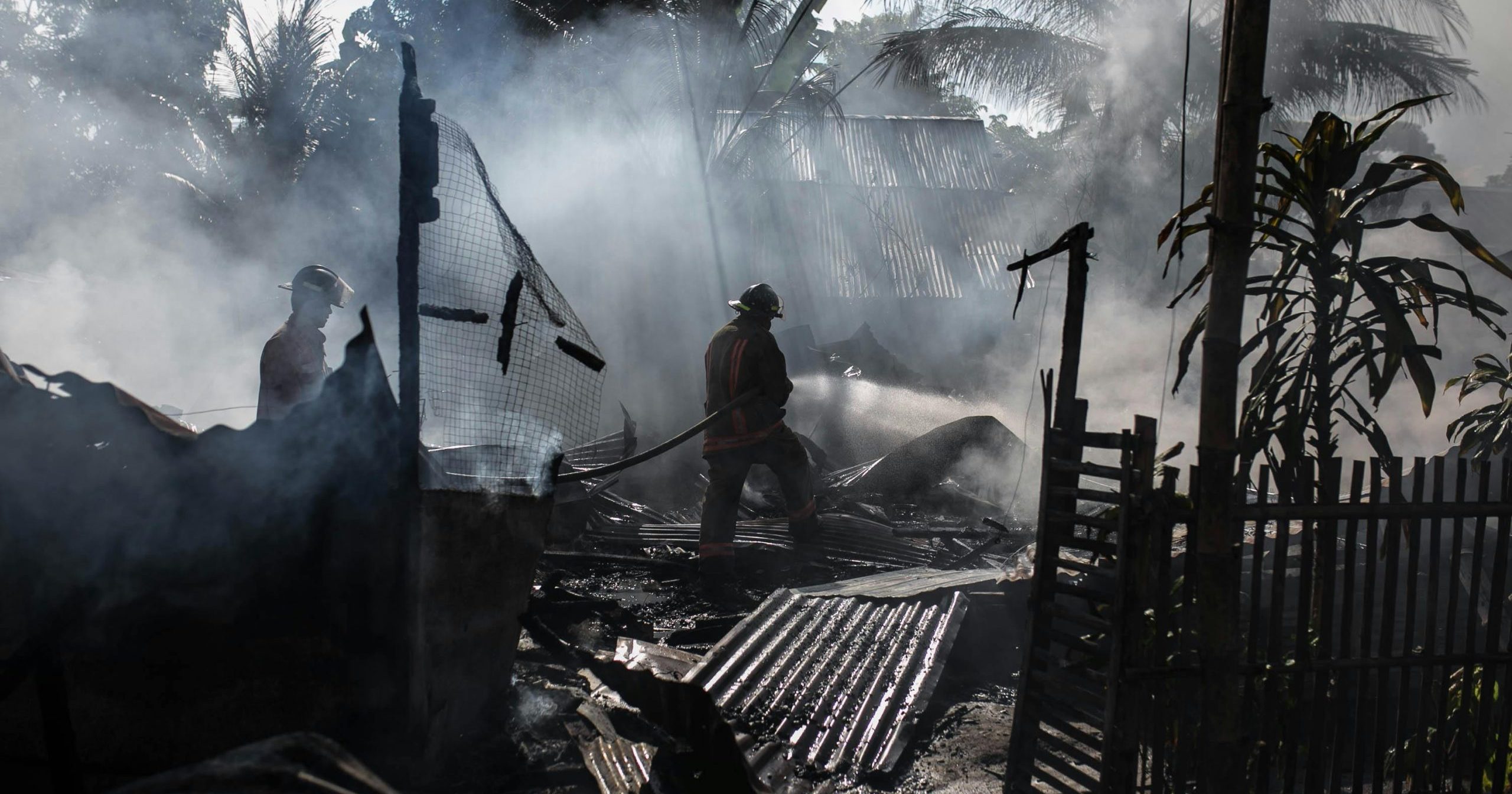
The idea of resilience has guided disaster planning and continuity strategies for decades. But repeated shocks — wildfires on the West Coast, cyber breaches in local government systems, hurricanes overwhelming coastal infrastructure — have revealed its limits. Resilience often means patching what broke, reinforcing what failed, and hoping it holds next time. It is survival-oriented but not future-focused.
The U.S. is not alone in this struggle. Governments worldwide are grappling with how to adapt systems to compounding risks. The difference is that many countries are moving past resilience toward regeneration. New Zealand, for example, rebuilt after devastating earthquakes by embedding climate adaptation measures and citizen-driven design into urban planning. Singapore, facing rising flood risks, turned the threat into a catalyst for regenerative infrastructure, integrating green spaces, water management and livability into its planning. These efforts were not about bouncing back. They were about bouncing forward.
Why Regeneration Matters for the U.S.
Federal and state agencies in the U.S. still largely operate under a resilience = restore mindset. The goal is to get back online, back on track, back to normal. But normal itself has become fragile. Each recovery is more costly, each disruption more frequent and each fix less effective.
Consider the financial toll: The U.S. faced 28 separate billion-dollar climate disasters in 2023 alone, according to NOAA. Cyber incidents cost the federal government billions in incident response and lost productivity. And infrastructure failures, from power grid breakdowns to water system contamination, not only cost money but erode public trust. Agencies that treat recovery as restoration risk locking themselves into cycles of failure. Regeneration offers a way out of this loop.
Three Steps to Move From Resilience to Regeneration
1. Integrate regeneration metrics
Recovery projects should not only restore capacity but improve it. Agencies must track how each effort enhances long-term adaptability. Did the rebuilt system lower carbon output? Did it increase redundancy? Did it create social or economic co-benefits? Metrics must move beyond “time to restore” and measure “capacity gained.” For example, when Puerto Rico rebuilt its power grid after hurricanes, regenerative planning could have measured how much new capacity came from renewable sources or microgrids that reduce future fragility.
2. Citizen co-design
Communities know their vulnerabilities best. Regenerative governance requires participatory methods that rebuild with citizens, not just for them. This is more than consultation, it’s co-design. Agencies should build structured engagement into planning, ensuring that citizen insights, cultural needs and local knowledge shape outcomes. The Netherlands has pioneered such approaches in flood management, creating water boards where citizens directly influence design choices. U.S. agencies can adapt similar models for climate resilience, cybersecurity awareness and infrastructure renewal.
3. Reframe budgets from response to regeneration
Traditional budgets allocate heavily toward response and recovery, with limited funds for long-term transformation. Leaders must reframe spending to prioritize regenerative outcomes. That means shifting dollars toward innovations that pay back over decades, renewable energy grids, cyber-secure systems, adaptive housing and workforce retraining programs. Instead of treating crises as sunk costs, budgets should treat them as inflection points for investment.
The Call to Action
Resilience is about survival. Regeneration is about legacy. Agencies that continue to equate resilience with bouncing back will spend increasing amounts of money just to maintain fragile systems. But those that embrace regeneration will not only reduce risk but also redefine what government leadership looks like in the 21st century.
The opportunity is clear. Every crisis is a choice point: Rebuild what was or regenerate what could be. Leaders who choose regeneration signal to their citizens, their peers and the world that public trust is built not on patchwork fixes, but on foresight and courage.
Now is the moment for U.S. agencies to catch up with global peers and adopt regeneration as the new standard for excellence. The payoff is greater than stability. It is strength that compounds, communities that thrive and systems that don’t just endure disruption but emerge from it transformed.
Dr. Rhonda Farrell is a transformation advisor with decades of experience driving impactful change and strategic growth for DoD, IC, Joint, and commercial agencies and organizations. She has a robust background in digital transformation, organizational development, and process improvement, offering a unique perspective that combines technical expertise with a deep understanding of business dynamics. As a strategy and innovation leader, she aligns with CIO, CTO, CDO, CISO, and Chief of Staff initiatives to identify strategic gaps, realign missions, and re-engineer organizations. Based in Baltimore and a proud US Marine Corps veteran, she brings a disciplined, resilient, and mission-focused approach to her work, enabling organizations to pivot and innovate successfully.



Leave a Reply
You must be logged in to post a comment.