
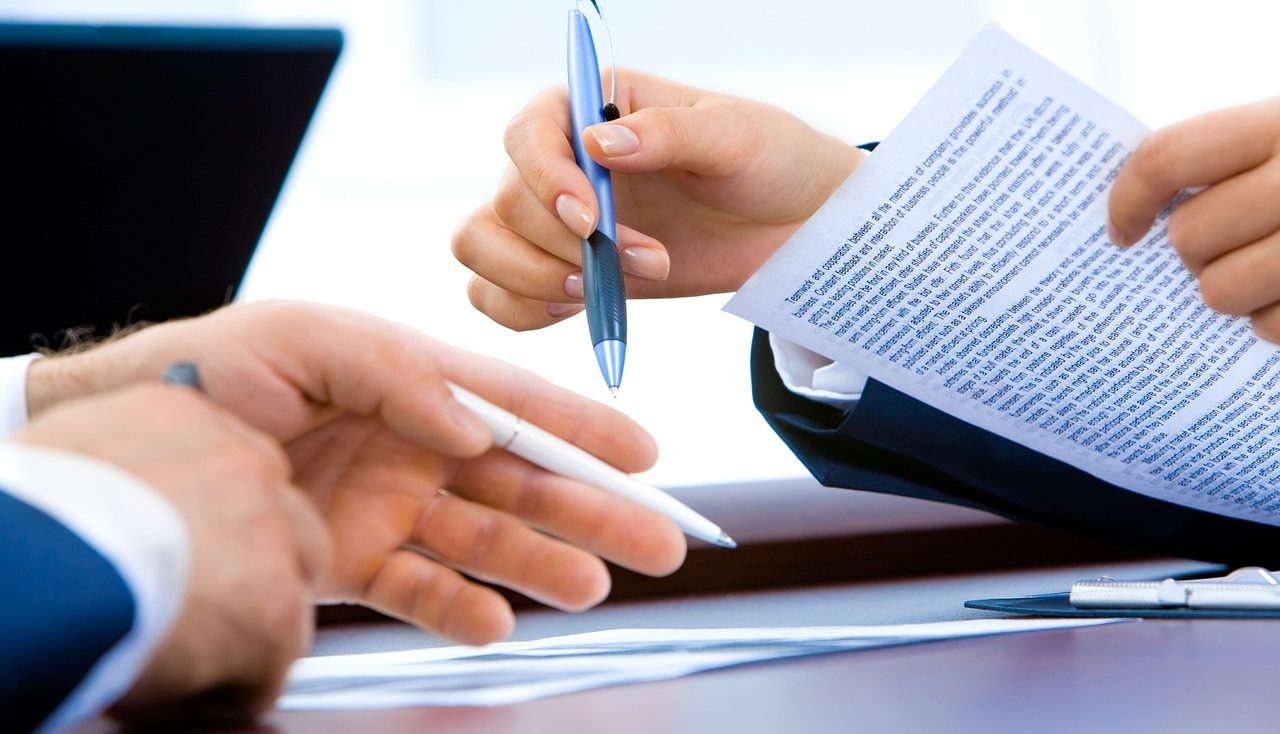

When preparing for a meeting or event, creating an agenda is essential to keeping participants informed and on the same page. An agenda outlines the meeting and helps participants prepare and participate. They make it easier to not forget important meeting topics. Agendas also keep meetings on track and productive. You may think that creating agendas is basic knowledge, but you and your office could still benefit from learning more.
Input from colleagues can be helpful when creating an agenda. Collaboration ensures the meeting will include issues that matter to your coworkers. In addition, co-creation may increase morale and performance by letting employees know that their views are valued and respected.
Meeting and agenda topics should include subjects that affect many (if not all) participants. For example, an all-hands meeting might not be the place for a detailed discussion of the work of a single department.
Agendas can vary in format and level of detail. Common parts of agendas are:
- Title
- Objective
- Date, time and location
- Invitees
- Call to order
- Agenda items are the meat of the meeting. List both the topic and the person who will lead each segment of the meeting. Assigning a person to each agenda item helps keep the meeting flowing smoothly, and dividing topics allows multiple employees to take leadership roles in their areas of expertise. It can also contribute to their professional development by expanding their responsibilities.
- Questions/open meeting
- Next Steps — including the day, time, location and purpose of the next meeting.
The agenda for a more formal gathering, such as a board meeting, may include:
- Call to order
- Approval of the agenda
- Approval of the minutes of the previous meeting
- Reports
- Old business
- Comments and announcements
- Adjournment
Two versions of the agenda should be made:
- A version for participants: This version can be a simple outline.
- A version for facilitator(s): This annotated version contains more detail, such as key discussion points and the amount of time of each agenda item.
To write your agenda, you can use the agenda of a previous similar meeting (i.e., a weekly staff meeting, debrief, etc.) as a template. There’s no need to recreate the format from scratch, and having a template makes it easier to maintain consistency.
Your agenda may need supporting documents to faciliate discussion. For example, if you’re meeting about an organization’s budget, you might want to supply participants with copies in advance.
Make sure you get the agenda and supporting documents to the invitees in advance of the meeting — at least 24 hours ahead of time if people will need to prepare.
At the start of a meeting, quickly review the agenda. Add amendments, if needed.
You can use your agenda as an outline for keeping formal minutes or your own notes, since it lays out the structure of the meeting and the main points to be discussed. Document decisions and assignments. Your notes can also update anyone who couldn’t attend, and save them time over watching a recorded meeting. Be sure to include date and time, attendees, purpose, agenda items, key decisions, and date and time of the next meeting in your minutes.
A good agenda can improve the meeting experience for everyone, by keeping them productive and on track.
Miriam Edelman, MPA, MSSW, is a Washington, D.C.-based policy professional. Her experience includes policy work for Congress. Miriam’s undergraduate degree is from Barnard College, Columbia University, with majors in political science and urban studies. She has a master’s in public administration from Cornell University, where she was inducted into the national honorary society for public administration. She has a master’s of science in social work (focusing on policy) from Columbia University. She is a commissioner of the DC Commission on Persons with Disabilities. Miriam aims to continue her career in public service. She is especially interested in democracy, civic education, District of Columbia autonomy, diversity, health policy, women’s issues, and disabilities.



Leave a Reply
You must be logged in to post a comment.