
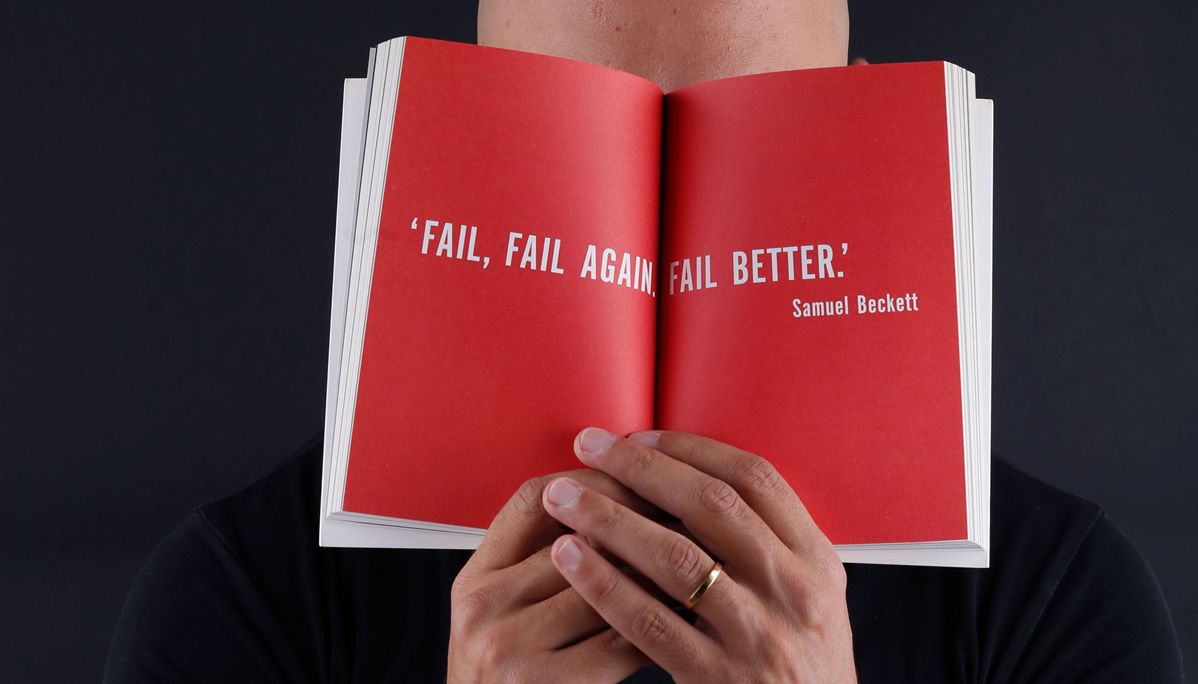

What if failure isn’t the opposite of success, but one of the most important steps toward achieving it? In government, the stakes can feel high. Decisions affect people, programs, public resources, and the communities we serve. Deadlines are real, expectations are high and mistakes can feel especially personal when others are counting on you.
It’s easy to see failure as something to avoid at all costs. But here’s a different perspective: Failure is not a reflection of your worth or your ability. It’s information you can use to improve. If you’re never making mistakes, taking risks or challenging yourself, you may be playing it so safe that you’re limiting your own growth. Think about it: Albert Einstein didn’t develop and establish the theory of relativity overnight. Thomas Edison didn’t develop a successful light bulb on his first attempt. Progress takes experimentation, adjustments, persistence and a willingness to learn. The same is true in the workplace. Maybe a project missed its deadline. A new process didn’t deliver the expected results. A presentation didn’t land the way you intended. A decision created unintended challenges. Or perhaps you didn’t get the outcome you worked so hard to achieve. These moments can be frustrating, but they also offer valuable opportunities to grow.

The key is to stop saying, “I failed, so I’m a failure,” and start asking, “What didn’t work, why didn’t it work and what can I do differently next time?” Separate your identity from the outcome. You are not your mistake. You are someone who can learn from it. The goal isn’t to eliminate every mistake. It’s to become better at responding to setbacks, recovering and moving forward with greater knowledge and confidence.
The Four Stages of Moving Through Failure
One of the most important skills you can develop is the ability to move through failure without allowing it to define you or derail your progress. Think of it as a four-stage process: Pause. Investigate. Evaluate. Adjust.
1. Pause: Don’t Let Emotions Make Your Next Decision
When something goes wrong, your first reaction might be frustration, embarrassment, disappointment or even anger. That’s normal. But your first reaction shouldn’t dictate your next action. Before sending that email, making a major change, spending money or deciding that everything needs to be overhauled, give yourself time to decompress.
Here’s what to do:
- Separate facts from feelings. What actually happened? What do you know for certain, and what are you assuming?
- Take ownership. Identify what was within your control and what you could have done differently.
- Avoid the blame game. Focus on understanding the situation rather than finding someone to blame.
- Give yourself permission to feel. Process the disappointment, but don’t allow yourself to get stuck there.
- Wait before making major decisions. Give yourself enough time to think clearly and objectively.
Remember, taking responsibility doesn’t mean taking responsibility for everything. Sometimes the problem involves unclear expectations, limited resources, competing priorities or circumstances outside your control. The goal is to identify your part and determine what you can influence.
2. Investigate: Get Curious About What Went Wrong
Once you’ve had time to process the situation, it’s time to put on your investigator hat. Instead of asking, “Why did I mess this up?” ask, “What can I learn from what happened?” Curiosity creates opportunities for improvement. Defensiveness keeps you stuck.
Try asking yourself:
- What was I trying to accomplish?
- What did I expect to happen?
- What actually happened?
- Where did things start to go off track?
- Did I have the right information, resources and support?
- Were expectations and responsibilities clearly communicated?
- What assumptions did I make?
- What would someone else say happened?
Don’t be afraid to ask for feedback. A supervisor, colleague, mentor or team member may see something you missed. Getting feedback from a trusted source can make a huge difference when approaching a failure. Look at the situation from different perspectives. Sometimes the problem isn’t a lack of effort. It may be a gap in communication, training, planning, collaboration or resources.
3. Evaluate: Don’t Throw Money at a Problem You Haven’t Understood
There is a common trap that people fall into. Something goes wrong, and the immediate reaction is to spend money to fix it. A new software platform. Another training course. An outside consultant. A new system. A first thought for a lot of people is, “I need additional resources.” Sometimes those investments are exactly what’s needed. But sometimes spending money is simply a way to feel like we’re taking action. Don’t confuse spending with solving. Especially in government, where public resources must be used responsibly, it’s important to understand the problem before committing additional funds.
Give yourself time to evaluate options rather than making financial decisions under pressure. Sometimes the solution isn’t another purchase. It may be better communication, clearer procedures, additional practice, improved planning or a small adjustment to an existing process. Make informed decisions, not emotional purchases. Every investment should have a clear purpose and a reasonable path to measurable improvement.
4. Adjust: Make One Change and Test Again
Now it’s time to move forward. You’ve processed the setback, investigated what happened, and identified potential solutions. The next step is to make a change and put what you’ve learned into action. But don’t change everything at once. Start with one meaningful adjustment.
For example:
- If communication was the issue, establish regular project check-ins.
- If deadlines were missed, break the project into smaller milestones.
- If expectations were unclear, confirm roles and responsibilities at the beginning.
- If a skill gap contributed to the problem, schedule time for training and practice.
- If a process created unnecessary delays, identify one improvement to test.
Set a specific goal, determine how you’ll measure progress, and establish a time to review the results. Then repeat the process. Pause. Investigate. Evaluate. Adjust. Each time you do this, you build your ability to respond to challenges with greater confidence, clarity, and resilience.
Time to Grow: Turn Your Lessons Into an Action Plan
Recognizing a mistake is only the beginning. Real growth happens when you do something with what you’ve learned. Once you’ve moved through the four stages, it’s time to turn reflection into action. Here are five practical steps to make it happen:
Step 1: Give Yourself a Decompression Window
Don’t make significant changes to your strategy while you’re still reacting emotionally. Give yourself time to step back, process what happened and regain perspective. This doesn’t mean ignoring urgent issues or delaying necessary corrective action. In government, some situations require immediate reporting, escalation or mitigation. Follow applicable procedures and address urgent risks promptly. For everything else, avoid making permanent decisions based on temporary frustration.
Step 2: Complete a One-Page After-Action Report (AAR)
One of the best ways to turn failure into feedback is to document what happened. Create a simple one-page After-Action Report. You don’t need a lengthy document or complicated process. You need honest answers and a plan. Answering simple questions can make a lasting impact for the future decisions.
Use these five questions:
- What was supposed to happen? Identify the original goal, expectations and intended outcome.
- What actually happened? Document the facts, results and challenges.
- What went well? Identify successes and strengths, even if the overall outcome wasn’t what you wanted.
- What could have been improved? Identify gaps in planning, communication, skills, resources or execution.
- What will I do differently next time? List specific actions, owners and timelines.
This exercise helps you move from frustration to clarity. It also creates a record of lessons learned that can help improve future projects, team processes, and organizational performance. Remember to follow your agency’s records-management, confidentiality and documentation requirements.
Step 3: Identify Whether You Have an Effort Gap or a Skill Gap
Not every setback requires you to work harder. Sometimes you need to work differently. Find out the gaps! Ask yourself which of these two areas needs attention:
Effort gap: Did you have the knowledge and ability but not dedicate enough time, preparation, focus, or follow-through?
Your action plan might include:
- Setting aside dedicated time for important projects.
- Breaking large assignments into manageable tasks.
- Improving prioritization and time management.
- Establishing accountability check-ins.
Skill gap: Did you put in the effort but lack the knowledge, experience or technical ability to achieve the desired result?
Your action plan might include:
- Scheduling three to five hours per week for focused learning and development.
- Asking an experienced colleague to mentor you.
- Attending relevant training.
- Practicing a new skill and requesting feedback.
- Seeking opportunities to apply what you’ve learned.
Sometimes it’s both. The important thing is to identify the actual gap instead of automatically assuming you just need to work harder.
Step 4: Don’t Throw Out a Good Plan Because of One Bad Result
This is an important one. Just because something didn’t work doesn’t mean the entire strategy was wrong. Maybe the overall plan was solid, but communication broke down during one phase. Maybe the project was successful in several areas but missed one important objective. Don’t confuse one poor result with a completely ineffective strategy. Build on what worked while correcting what didn’t. Continuous improvement is often about making thoughtful adjustments, not reinventing everything.
Step 5: Turn Reflection Into Action
Here’s where many people get stuck. They reflect on what happened, write down their lessons, identify what they should have done differently and then nothing changes. It ends up all the same. Reflection without action can become another way of dwelling on the past.
To make your reflection count, establish three things:
- One action: What specific thing will you do differently?
- One deadline: When will you do it?
- One measure: How will you know you’re improving?
Put it on your calendar. Share your commitment with someone who can help keep you accountable. Follow through. The goal isn’t to spend more time thinking about failure. It’s to spend less time repeating it.
The Bigger Picture: A Growth Mindset Is a Leadership Skill
In government, we often focus on delivering results, meeting expectations, and getting things right. Those responsibilities matter. But we also need to create room for learning, improvement and thoughtful problem-solving. Employees who can learn from setbacks become better problem-solvers. Teams that openly examine what worked and what didn’t work can identify opportunities to improve. Leaders who encourage constructive feedback help create an environment where employees can raise concerns, share lessons and find better ways to serve the public.
This doesn’t mean lowering standards or accepting repeated mistakes without accountability. It means recognizing that accountability and learning can work together. We can own mistakes, address their consequences and improve our processes without allowing one setback to define an employee or an entire team. Remember that not every failure is within your control. Some challenges come from changing priorities, limited resources, unexpected circumstances or organizational barriers. Learning also means recognizing those factors and identifying where changes are needed. Your ability to recover, adapt and improve is just as important as your ability to get things right the first time.
Your Challenge: Put Failure to Work for You
The next time something doesn’t go as planned, resist the urge to immediately label it a failure. Put the failure to work for you.
Instead, walk through these four questions:
- Pause: What happened, and what do I need to process before responding?
- Investigate: What caused the outcome, and what can I learn?
- Evaluate: What resources, skills, or changes are actually needed?
- Adjust: What’s one thing I can do differently next time?
Then document your lesson and take action. Don’t let a setback become a stopping point. Let it become a starting point. Failure is feedback. Feedback creates awareness. Awareness creates action. And action creates growth. You don’t have to get everything right the first time. You do have to be willing to learn, adjust and keep moving forward. Your next success may be hiding inside your last setback.
Driven by a commitment to public service excellence, Tasha Cheramie combines over a decade of federal acquisition expertise with a profound dedication to empowering her team, streamlining organizational processes, and driving agency success. She excels at guiding cross-functional units and aligning strategies with enterprise-wide objectives. Tasha has a passion for developing her team and making processes better, actively mentoring subordinates to foster their growth. Her leadership has been instrumental in establishing new contracting offices and shaping workforce development initiatives that ensure long-term organizational success.
Photo Credit: Georges Tomazou



Leave a Reply
You must be logged in to post a comment.