
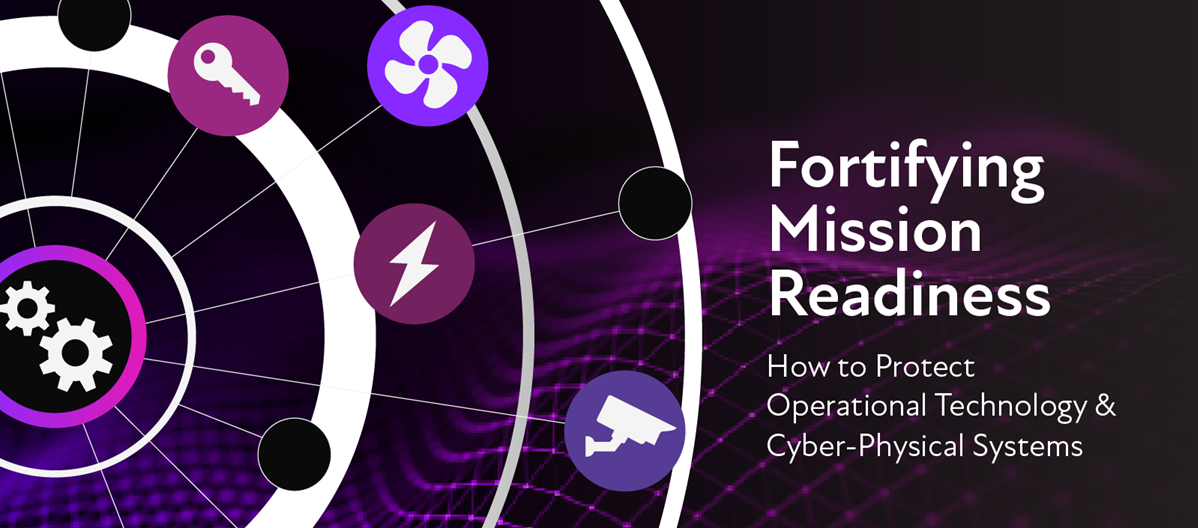

Operational technology (OT) and cyber-physical systems (CPS) are behind many of the services and systems government employees rely on every day. They help keep facilities running, support research environments, manage utilities, and enable critical operations across civilian and defense agencies.
The problem? As these systems become more connected, they’re becoming more attractive targets for cyberattacks.
More Connectivity Means More Risk
Over the past several years, agencies have increasingly connected OT systems with traditional IT networks to improve efficiency, automate processes, and gain better visibility into operations. Those benefits are real. Connected systems can help agencies work smarter, reduce downtime, and improve performance. But every new connection can also create a new path for attackers.
Many federal leaders recognize the challenge. As OT and IT environments continue to converge, agencies are becoming more concerned about the possibility of a disruptive cyber incident and the impact it could have on mission operations.
These Aren’t Just IT Problems
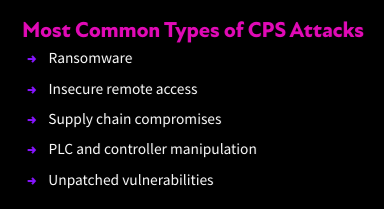
When most people think about cyberattacks, they think about stolen data or network outages, but OT attacks are different.
A compromise of a building management system could affect heating, cooling, physical access controls, or security cameras. In research environments, a small change in temperature could affect sensitive equipment. In mission-critical settings, disruptions to operational systems could have far-reaching consequences.
That’s why OT security isn’t just a cybersecurity issue. It’s an operational readiness issue.
You Can’t Protect What You Can’t See
Many agencies have hundreds or even thousands of connected devices spread across facilities, networks, and operational environments. Some are decades old. Others come from different vendors and use different naming conventions. As a result, organizations often don’t have a complete picture of what’s connected to their environment.
The first step toward stronger security is understanding what assets exist, where they are, and how they connect to one another. Building a comprehensive asset inventory helps agencies identify risks, prioritize protections, and make smarter security decisions.
Zero Trust Starts With Knowing Your Environment
Once agencies have visibility into their assets, they can build stronger protections around them, and that’s where zero trust comes in. For OT and CPS environments, zero trust means continuously verifying users and devices, limiting unnecessary access, monitoring activity, and segmenting networks so attackers can’t easily move from one system to another.
The approach helps reduce risk while supporting the reliability and availability that operational environments depend on.
Focus on Mission Resilience
Securing OT and CPS environments is about more than technology: It’s about making sure critical systems are available when people need them. It’s about reducing blind spots, strengthening resilience, and protecting the operations that support agency missions.
As OT and IT continue to converge, agencies that prioritize visibility, governance, and zero-trust principles will be better positioned to defend against evolving threats while keeping their mission moving forward.
Looking for More Ways to Protect Your Agency?
This new resource with Claroty, Fortifying Mission Readiness: How to Protect Operational Technology and Cyber-Physical Systems, offers steps to improve asset visibility, prioritize risks and apply zero-trust protections, as well as a use case from the United States Air Force showcasing how they secured mission-critical infrastructure against modern CPS threats.



Leave a Reply
You must be logged in to post a comment.