
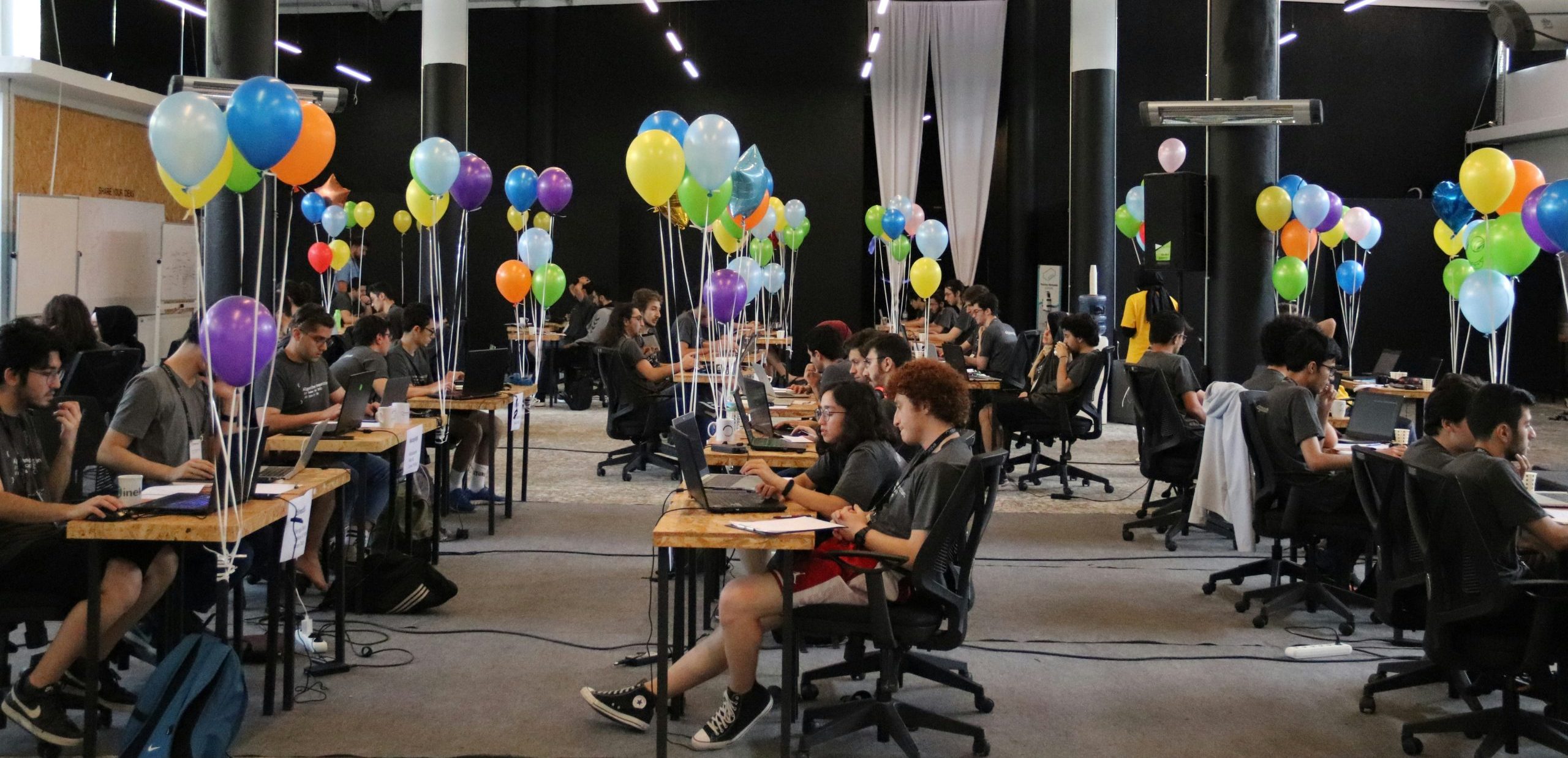

How can you strengthen collaboration, improve morale and build a positive office culture with increased productivity and workplace success? Organize and hold fun social events for your colleagues.
Team-building activities are not just for new groups and workplace retreats. They can occur on a much more regular basis, i.e. weekly and monthly.
Reasons people may object to work social activities include:
- Wanting to focus only on work when with colleagues.
- Maintaining the boundary between work and social life.
- Avoiding the perception that you’re not serious about actual work.
- Concern about possible problems that can result from these events.
- Not wanting to infringe on your colleague’s non-work time.
- Belief that social events are not a good use of your workplace’s money and/or your employees’ time.
- Uncertainty about what types of activities would be popular. (You could create an informal survey to find out.)
- You’re already busy with your own work and life.
However, informal events can improve your workplace. Through these events, colleagues can create camaraderie. Camaraderie instills a “we’re all in this together” mindset, which can help employees work and succeed together. In addition, when employees trust each other, it is less likely that small disagreements will become bigger and extremely negative. Camaraderie could help retain employees and decrease turnover, which is costly to workplaces.
You can avoid talking about work at these events. It may be difficult to do so, but a goal is to have fun and get to know your colleagues on a personal level.
Events can be in person, hybrid, or virtual. Hybrid and virtual events can be especially beneficial in remote offices, whose workers get few chances to interact informally — commonplace and natural in in-person offices — since they do not share a physical workplace.
Host a variety of events, as people like different activities. Some workplaces may already have team-building activities in the form of birthday celebrations and going-away parties. However, offices can have other types of work social events, including:
- Volunteering. The volunteering could relate to shared interests.
- Trivia hours/game nights. Trivia could be about the office’s field. For example, a transportation-related agency could have a trivia event about public transportation.
- Cook-offs.
- Happy hours.
- Monthly socials.
- Virtual coffee chats. During these activities, people can be paired with a different person for a 15-minute conversation.
- Sports league. Offices can form teams and compete in local amateur sports leagues. For example, workplaces can join the United States House Softball League, which consists of teams from Capitol Hill offices, executive agencies, non-profit organizations and others.
- Movie nights. Even remote offices can arrange online watch parties.
- Book clubs.
- Visits to museums, local sporting events, escape rooms, rope courses, and more.
- Art workshop.
- Commemoration of holidays. There are plenty of fun ones, such as National Pizza Day on February 9th. Celebrate by serving pizza at lunch.
More tips on work social events include:
- Plan ahead. This work involves setting a budget, selecting a venue and date/time, and determining the activity.
- Avoid scheduling events during religious holidays and federal holidays.
- Send invitations ahead of time. Invitations can be sent via e-mail and should include the event’s date, time and location. Clearly discuss guidelines, including a dress code. Answer your colleagues’ questions and/or concerns.
- Cover some costs of the events. Don’t let price be a barrier to attendance.
- If you host work social events, do not require attendance. Some colleagues may not want to socialize. Forcing people to attend work social events could lead to resentment and defeat the purpose. Make events optional and don’t penalize people who don’t attend.
- Hold them during the workday. After-hours events can be tiring and people may have other obligations.
Informal gatherings can improve your office climate. Give them a try!
Miriam Edelman, MPA, MSSW, is a Washington, D.C.-based policy professional. Her experience includes policy work for Congress. Miriam’s undergraduate degree is from Barnard College, Columbia University, with majors in political science and urban studies. She has a master’s in public administration from Cornell University, where she was inducted into the national honorary society for public administration. She has a master’s of science in social work (focusing on policy) from Columbia University. She is a commissioner of the DC Commission on Persons with Disabilities. Miriam aims to continue her career in public service. She is especially interested in democracy, civic education, District of Columbia autonomy, diversity, health policy, women’s issues, and disabilities.



Leave a Reply
You must be logged in to post a comment.