What Tops CIO Priority Lists?
Have you ever wondered what your Chief Information Officer is thinking about all day? What keeps them up at night? What makes them excited to go to work? What makes them want to pull their hair out? We found out.

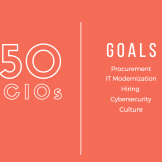
Have you ever wondered what your Chief Information Officer is thinking about all day? What keeps them up at night? What makes them excited to go to work? What makes them want to pull their hair out? We found out.

Developing a truly effective cybersecurity culture requires that agencies take a deeper look at how they promote and enforce cybersecurity policies among their employees. With that in mind, here are five tips we’ve found beneficial for fostering a cyber-aware professional culture.

Still not sure what NIST’s Cybersecurity Framework means for your agency? Check out our three takeaways from a recent chat with cybersecurity experts.

October is cybersecurity month– that means we are celebrating the federal government’s cyber women. Check out our favorites and feel free to add some of your own.

Are smart cards the end-all, be-all answer to network security? If you answered yes, think again.

As agencies move from static websites to interactive platforms their networks become more vulnerable to nefarious actors. Learn how Akamai’s solutions can help keep your agency’s website secure.
For federal agencies, the crux of an effective cybersecurity strategy is both obvious and challenging: a valid, enforceable security policy. But what does that kind of strategy look like, and how do you achieve it?

This approach enables you to replace fear and doubt with data and information. It also allows you to provide insights into your organization’s risk posture, keeps your boss from going fetal, and lets you live to fight another day– which is the main thing.

As resources diminish and cyberthreats escalate, it’s more important than ever that government adopt risk-based tactics to maximize security. DHS is assisting in that effort with best practices and private-sector collaboration.
Security or convenience is no longer an acceptable trade-off when it comes to cybersecurity. They must be mutually inclusive, otherwise employees will circumvent security for their own personal convenience. NIST and Microsoft understands this to a degree, but in the latest NIST Password Guidelines SP 800-63-3 the recommendations favors password convenience over password security.