AI Is Only Part of the Picture
At the state and local level, adopting AI remains only one of a long list of IT priorities. Read how Burlington, VT is approaching it.


At the state and local level, adopting AI remains only one of a long list of IT priorities. Read how Burlington, VT is approaching it.

DHS has developed the Unified Cybersecurity Maturity Model, a framework that allows the agency to tie the investment dollars to the cybersecurity of programs and their component systems.

Many agencies have some of the foundational capabilities of zero trust in place already, such as Identity, Credential and Access Management (ICAM). “What zero trust calls us to do is take all of these capabilities to the next level. That’s not a technological solution,” said Steven Hernandez of the Department of Education. “Zero trust is… Read more »

The upcoming change in administration presents both opportunities to modernize cybersecurity and AI governance in government operations and risks of heightened vulnerabilities, requiring strategic action and vigilance.

The federal government has embraced the cloud to modernize capabilities and drive efficiency, which creates new opportunities and challenges. While the Federal Cloud Computing Strategy’s “cloud smart” approach urges government to focus on security and privacy, security delivered from the cloud remains a sticking point for many agencies. Legacy approaches to security aren’t keeping paceRead… Read more »

Experts agree that generative AI (GenAI) can have a significant impact on how government handles cybersecurity. Here are some of the technology’s potential security benefits.
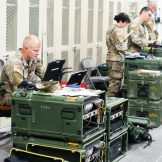
Processing data locally speeds up the time for decision making. Edge data can better support mission context and relevance. But distributed data brings with it new challenges. Here’s how to meet them.

To accelerate their ability to respond to modern cyber threats, agencies must enable their network and security operations centers to work together seamlessly.

Quantum computing offers revolutionary opportunities, but also poses a grave threat to current cryptographic systems. Here is how organizations can protect themselves from quantum risks.

To navigate today’s cybersecurity environment, federal agencies must build a pipeline of security talent. But that’s a challenge. There are several ways to address the talent shortage. Here are some suggestions.