What Plain Language Is, and Why We Need It
Agencies communicate effectively when they use plain language — simple, clear writing rather than fancy words and over-long sentences. Here are tips on writing so your target audience understands.


Agencies communicate effectively when they use plain language — simple, clear writing rather than fancy words and over-long sentences. Here are tips on writing so your target audience understands.

Trying to satisfy different types of online readers? Use the Bite, Snack, Meal approach and provide different amounts and types of content for people who want just a taste and people who want the whole buffet.

The Plain Language Act is only one part of making government policies easier to understand. Learn how to make policies resonate with the public.

A strategic plan can be an effective tool for advancing an agency’s goals — assuming the agencies avoid certain pitfalls.

To get buy-in for cybersecurity initiatives, don’t talk tech — speak simply.

When it comes to cybersecurity, “The question is not will you be attacked, but what will be the consequence.” Here’s how to prepare.
If you need a refresher on what plain language looks like in practice, this post offers some quick tips and best practices that you can incorporate into your own writing.

Communicating with a public that may not trust us requires a subtle approach.

Fact sheets are a good way to deliver information concisely. Avoid some common pitfalls.
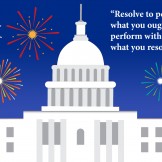
Here are some quotes from many of America’s great thinkers and doers as inspiration for your Fourth of July holiday.