Big Data: Remember Me?
Given the amount of data that we now generate, the term “Big Data” seems to be an insufficient description, especially since AI needs so much of it.


Given the amount of data that we now generate, the term “Big Data” seems to be an insufficient description, especially since AI needs so much of it.

Consider all the information passing through 911 dispatch centers on a daily basis: addresses, names, medical conditions and more. What can it be used for?

When it comes to data projects, stakeholders with limited technical expertise might think little is happening if there is nothing visual to show.

Teasing out insights from big data can seem like a daunting task, but it doesn’t have to be with a big data analytical framework.

A study of social media usage during the last four months shows that residents are looking to their city’s leaders as trusted and authoritative sources of information.
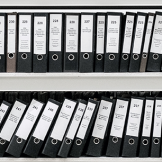
An e-discovery solution can help agencies meet their data and legal demands faster without sacrificing privacy, security or speed.

Randall Knol, an IT specialist at the Census Bureau, explains how the agency is implementing AI to correct data imputations caused by human error.

Bringing data together in open-source platforms provides a comprehensive understanding of the government agency’s network to help detect and thwart cybersecurity attacks.

Federal agencies need secure data warehouses to comply with the Office of Management and Budget’s latest guidelines, but time constraints and costliness often impede these efforts.

It’s been a month since the release of the Federal Data Strategy. As agencies adjust to the shifting priorities, here are three tools that can help them meet the new, ambitious goals.