Data Center: Can I Upgrade It for AI?
Upgrading an existing data center for AI/ML needs can be done, but there are many factors to consider.

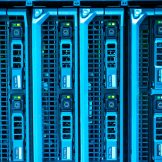
Upgrading an existing data center for AI/ML needs can be done, but there are many factors to consider.

There can be serious, costly consequences when agency staff expose sensitive data, even if human error is the cause. Here are tactics to prevent and identify data leaks.

By taking a “mindful” approach to machine learning, agencies can modernize their mainframe systems to meet today’s need for scalability, performance and seamless integration.

In Part 2 of their blog series, two featured contributors explore how AI Factories help organizations maximize their data potential and advance business priorities by using AI/machine learning.
Outdated systems can stifle innovation and frustrate users. But with machine learning, organizations can streamline their operations and implement a more user-centric approach.

The release of AI foundation models allows organizations to take advantage of broader community investments in AI. But there’s a catch: Agencies need to tweak and train these models to meet their specific objectives, maintain privacy and ensure regulatory compliance.
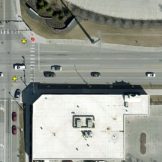
Douglas County, Nebraska, used artificial intelligence (AI) and geographic information systems (GIS) to save time and money in its inventory of ADA curb ramps.

Governments need AI foundation models that are fine tuned to their specific requirements — for relevancy, accuracy, and effectiveness in their specific use cases.
Mismanaged data can lead to poor decision-making, loss of trust, increased risk and other fallout, and artificial intelligence has made data use more complicated. Fast, secure, energy-efficient data storage, however, helps agencies manage what they have.

Artificial intelligence (AI), unlike other forms of automation, can learn and generate ideas that elude humans. But what does AI “learning” actually mean? Here are the basics.