How Can You Securely Connect the Remote Gov Workforce?
How can agencies take advantage of technologies like the cloud and securely manage data while also considering the needs of remote workers?


How can agencies take advantage of technologies like the cloud and securely manage data while also considering the needs of remote workers?

As agencies move more and more of their citizen interactions to the web and mobile applications, the digital citizen experience increasingly becomes the primary way they interact with their citizens and employees.

Cloud Smart differs from earlier federal cloud policies by focusing on adopting the technology effectively rather than by any means possible.
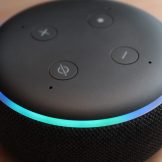
Want to know the word of the day? How about the standings in the NBA playoff race, or the 33rd president of the United States? Just go home and ask “Alexa.”
How can technology support government efforts to improve CX? For federal agencies, moving to the cloud could have a significant impact on CX.

To share intelligence data, protect warfighters and meet critical mission goals, the Department needs multiple IT resources.

Unified communications (UC) provides a unified experience and interface for users regardless of the communication medium being used.

With a secure digital workspace, agencies can make their applications and data available to any employee on any device in any location.

In an effort to replace costly and aging technology and rightsize its data center footprint, the Homeland Security Department (DHS) is looking to shift significant portions of its $6.8 billion IT portfolio to the cloud.

Adam Clater, Chief Architect for Public Sector at Red Hat, stressed that taking advantage of the cloud must extend beyond the basics in government.