Why and How to Create Sensory Rooms
Sensory rooms can help both neurodivergent and other employees. Learn what they are, why they’re so meaningful and how to create such places of refuge.


Sensory rooms can help both neurodivergent and other employees. Learn what they are, why they’re so meaningful and how to create such places of refuge.

Stillness is often undervalued. Yet leaders who intentionally create space to think make clearer decisions and lead more effectively.
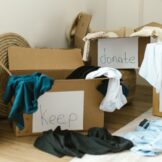
Change can be easier when you find ways to mentally carry less with you. Here are practical ways to make space to process, recover and adapt.

The question we can ask ourselves to find our purpose in our work is: Who is better served because I did this work well?

When everything feels urgent, leaders lose the ability to focus. Protecting energy isn’t indulgent — it’s essential to sustainable public service.

Burnout doesn’t happen overnight, and supervisors play a critical role in recognizing the warning signs before they become bigger problems. The challenge supervisors often face is how to support employee well-being while still meeting mission demands. During our latest Supervisors Community of Practice virtual discussion, Dr. Marleen Greenleaf, Empowerment Architect & Leadership Strategist, M. AlexanderRead… Read more »

Burnout is frequently treated as an individual problem, but it’s systemic. Reframing well-being starts with leadership awareness and accountability.

In a recent GovLoop Supervisors CoP discussion, speaker Ria Balbos-Jordan explained how healthy conflict can actually be a good thing.

Recovery takes work but it can make us more resilient and adaptable to work demands. Here are some practical tips and for building a recovery plan.

Reclaiming agency means looking for the choices that remain inside the constraint.