Overcoming Homelessness With GIS
Geographic information system (GIS) technology captures, organizes and analyzes geographic data for public servants trying to improve their communities.


Geographic information system (GIS) technology captures, organizes and analyzes geographic data for public servants trying to improve their communities.
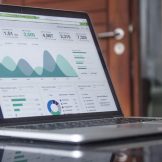
No matter how you use data in your job, we all have room for improvement. With more and more data being created every minute, what are you waiting for? Join our community of practice and let’s work together to improve how we use data analytics.

Two Intelligence Officers from Geollect, a company that provides advanced geospatial analysis for agencies and businesses, spoke at the Esri’s Federal GIS conference about intelligence and data science.

An agencywide data governance strategy puts the policies into place to take stock of data, standardize reporting, implement security procedures and discover potential use cases for data.

Traditional data platforms are insufficient in meeting the demanding requirements of a government that must move fast and make data-driven decision

Combatting the opioid crisis demands a multi-factored approach.

The government has made tremendous progress on the Federal Data Strategy, as it expects to launch its next iteration in January.

The amount of personal data collected by organizations is staggering. As Facebook and Cambridge Analytica taught us, the opportunity to abuse data is overwhelming. For these reasons, we need to embrace the concept of data ethics.

Federal government agencies are faced with an immense amount of data, with more pouring in every second. With so much information, keeping track of it all can be extremely challenging, particularly when there are bad actors seeking to take advantage of the data overflow. AI and machine learning can help.

Data can be extremely valuable to the way government achieves mission goals. But to reap that value, agencies must be able to do more than collect it; they must be able to analyze it.