Your One-Stop Shop For AI Knowledge
If AI is something that you’re interested in, consider attending Dcode Eureka on Thursday, March 5.

If AI is something that you’re interested in, consider attending Dcode Eureka on Thursday, March 5.

Agencies need the ability to adjust their services to their consumers’ needs in days or minutes — not months.

An expert in government technology says that data enables several promising tools that agencies can use for mission success.

Robotic process automation (RPA) can modernize government workforces, workers will have more time and freedom to pursue the duties they’re passionate about.

At a recent GovLoop Virtual Summit, we spoke to a federal IT official about how AI is helping with datasets on everything from public transit to road safety.

With campaigns of mass and fake comments plaguing public feedback mechanisms for regulatory agencies, GSA seeks public input on potential solutions.

Agencies can provide a solid data foundation for their AI programs by optimizing data and creating a data governance model.
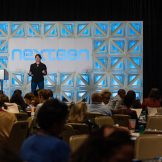
When it comes to artificial intelligence, there’s a recurring question and concern that is regularly raised: How are agencies preparing the workforce?

Nationwide, state and local governments who have properly incorporated RPA bots into their workforces are reaping major returns every day.

RPA is now a standard at many federal agencies, but experts urge interested parties to introduce do their research to implement RPA the right way.