Your Strategy Is on Track. Is It Still the Right Strategy?
As conditions change, public-sector leaders must reassess the assumptions underpinning major commitments.


As conditions change, public-sector leaders must reassess the assumptions underpinning major commitments.

When agency fragmentation is compounded by leadership that discourages disagreement, constituents may bear the consequences.

“What’s on your mind?” post can turn a simple question into a daily team-building exercise that rebuilds engagement. Read on to discover four practical lessons for turning everyday communication into lasting team trust.
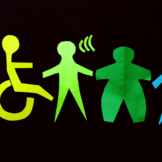
National Disability Employment Awareness Month may be short-lived, but employees with disabilities must be treated fairly throughout the year.

Leadership is not only a position in an organizational chart: It is also a mindset we embody through the way we participate in the workplace.

Leadership is tested during adversity. Discover how resilient leaders build trust, inspire confidence, and help teams navigate uncertainty together.

Communication breakdowns often look like performance problems. Before assuming employees are disengaged, leaders should examine whether expectations, priorities, and organizational goals are being communicated effectively.

Different generations bring varied work experiences, communication styles and expectations. Successful teams benefit from these differences.

The cost of an unsafe space is never a single dramatic event. It is a slow leak of early warnings, honest accounts, useful dissent, and eventually, people.

Burnout is frequently treated as an individual problem, but it’s systemic. Reframing well-being starts with leadership awareness and accountability.