Insights From Howard County’s CIO On Process Transformation
What started as a goal to improve IT support and service delivery has now become a vision for streamlining many work processes.


What started as a goal to improve IT support and service delivery has now become a vision for streamlining many work processes.
Data breaches are getting more sophisticated, while agencies’ cybersecurity teams are being held back by manual processes and disconnected systems.

Now, many agencies are working towards resilience by digitally transforming their operations.
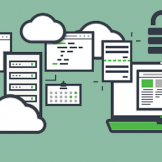
The move to remote work increases agency exposure to adversarial risk. Agencies need to mitigate cybercrime as more of their employees work remotely.
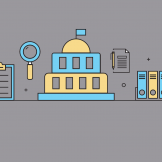
Digital transformation allows employees to make decisions faster, facilitate rapid learning and better serve constituents.

In the midst of crises such as Hurricane Laura, police brutality and a global health pandemic, agencies like the National Oceanic and Atmospheric Administration (NOAA) are especially attentive to building resilience.

“Their current process took 4 to 8 hours to do a pre-award risk examination. We were able to get that down to 15 minutes.”

The goal is to ensure resilience by creating an operational environment that won’t be disrupted by whatever the next crisis might be.

When people resist training, cling to old processes or protest new policies, culture can single-handedly derail transitions.

In the past, agencies deployed cloud in response to mandates, with compliance as a key driver. Today, agencies are driven by the need for more speed and IT agility, which requires modernization, transformation and re-platforming.