Win Your Argument With Data
Check out practical tips on how to strategically and effectively incorporate data into your work.


Check out practical tips on how to strategically and effectively incorporate data into your work.

Data is the engine that drives progress throughout government. When data is up to date and accessible, it can be harnessed to improve business processes.

Simple, fast and accessible are words that historically have not been associated with government technology systems. But the realities are shifting. Key to this turning tide has data.

Consider all the information passing through 911 dispatch centers on a daily basis: addresses, names, medical conditions and more. What can it be used for?
To build an effective and scalable experience, organizations must understand all aspects of their customer interactions and focus on three main levels of CX

Ensuring that data is fully available and accessible can be a major barrier for many agencies in achieving a truly data-driven culture.
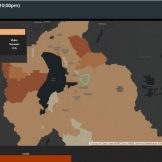
The second-largest county in Utah, Utah County, transformed its outdated election processes into a location-enabled system suited for modern-day elections.

To realize the full benefits of their massive and growing stores of data, government agencies need to think in new ways about data management. Rather than coming at data management strictly from a technology perspective, they need to look at how they can get that data into the hands of their decision-makers, according to twoRead… Read more »

When many top technologists and data scientists discuss what they do, the first words out of their mouths won’t be about the technical daily grind.

The COVID-19 pandemic has forced both government and higher education to think more about remote data and other cybersecurity concerns.