Public Trust Cannot Be Added as a Feature
What can you do to rebuild trust with the public? It is a question every technology provider serving government should think about.


What can you do to rebuild trust with the public? It is a question every technology provider serving government should think about.

In government, fully autonomous AI is rarely an acceptable aspiration. Humans should be in the loop.
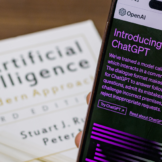
Artificial intelligence (AI) is becoming a critical workplace tool for government agencies, but teams must practice good AI hygiene.

Mentoring others sharpens your communication, exposes blind spots, and accelerates your growth faster than waiting for guidance from senior leaders.

Employee resistance is often one of the most valuable sources of information available to a leader.

In a recent webinar, “What’s Next in Government Cybersecurity,” cybersecurity leaders discussed emerging threats, AI, and more.

In this video interview, Docebo’s A.J. Frickman discusses how to shift from learning management to workforce modernization.
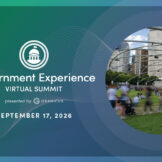
Join Granicus on Sept. 17 for a free virtual event, exploring the future of government experience and gain insights for service delivery.

Our webinar line-up includes timely information, expert insights, and real-world examples to improve your knowledge and confidence.

Sharpen your leadership skills and gain fresh insights at the NextGen Government Training Virtual Summit this October.