Retain Your IT Talent to Reduce Breach Rates
Data breaches are getting more sophisticated, while agencies’ cybersecurity teams are being held back by manual processes and disconnected systems.

Data breaches are getting more sophisticated, while agencies’ cybersecurity teams are being held back by manual processes and disconnected systems.

Like most things, working from home has pros and cons. Employees might get to sleep a little longer or get back hours of their commute time. But they also face new security threats in their home IT environments.

Maintaining election integrity isn’t easy, but it’s work that could change the outcome of this election and the future of our governmental institutions.
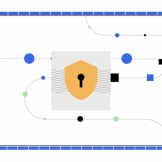
While there are a number of approaches to solve application and data security challenges, runtime application self-protection, or RASP, is a particularly compelling approach.
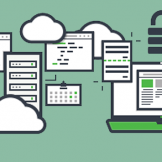
The move to remote work increases agency exposure to adversarial risk. Agencies need to mitigate cybercrime as more of their employees work remotely.

Governments must think holistically about the convergence of CX, digital transformation and secure, adaptable platforms. The efficacy of citizen services depends on it.

The key to mitigating the risk of security threats is leveraging AI-driven analytics to continuously monitor user behavior for proactive threat detection.

DevSecOps features continuously delivering high-quality software by combining software development, IT operations and security into one process.

There are still unknowns about what government operations will look like going forward, but one thing is certain: This new normal won’t be a mirror image of what we experienced pre-COVID-19.

Two Defense Logistics Agency leaders describe how DLA handles its cybersecurity intelligence and share best practices for other agencies.