The VA’s System Updates: Are There Concerns About Trust and Safety?
The VA’s ongoing system updates requires vigilant cybersecurity to preserve the trust and safety in serving veterans.


The VA’s ongoing system updates requires vigilant cybersecurity to preserve the trust and safety in serving veterans.

VA.gov was recently recognized for its hard work improving user accessibility. Since veterans are more likely to have visible and invisible disabilities than other demographics, enhanced accessibility was an especially worthy goal. Here’s what the VA did — and how.

The VA is committed to designing and implementing practices that ensure employees are successful, supported and empowered to do their jobs well — regardless of location.

“Imagine the raw power of 225,000 uniquely qualified individuals who are given the tools and permission to make a health care system better.”

While agencies had more to do, the pressing and unique circumstances of this year had them moving boulders that had been blocking progress.

To learn more about the VA’s pandemic response, we spoke with the director and a senior analyst of the Enterprise Cloud Solutions Office (ECSO) at VA.
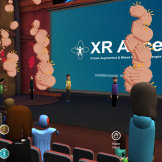
Often, trusted best practices like “start small” are repeated at government conferences like they’re the IT national anthem.

Millions of government employees have had to adjust, some in converting bedrooms into virtual offices and others in reporting to their jobs with masks and new six-foot distancing requirements.

Citizens want to quickly access and trust the information they receive from agencies in times of emergency and tranquility.
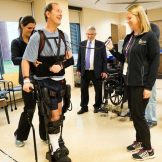
The Veterans Health Administration is pairing success metrics with real-life outcomes–that is, the number of lives changed and saved, according to Dr. Ryan Vega, executive director of the VHA Innovation Ecosystem.